iPhone 17 Pro Max Review: A Week of Real-World Use
2025年10月9日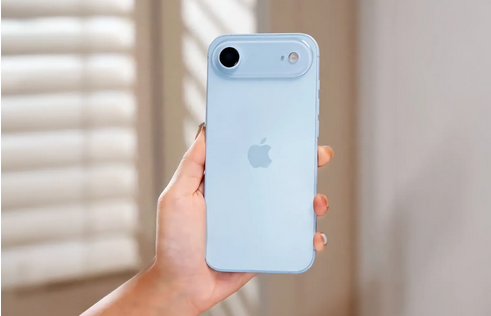
IPhone 17 Air: Pursuing beauty at the expense of experience, three obvious drawbacks!
2025年10月9日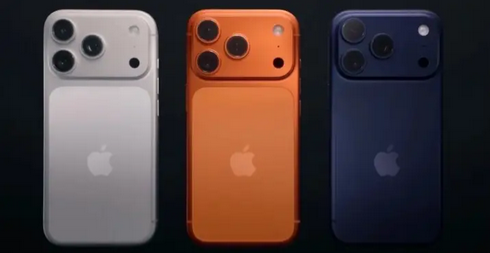
On September 9th, the Apple iPhone 17 series was officially unveiled.
To be honest, after watching the entire press conference, my first reaction was – is this still the familiar Apple?
Cook has really changed this year, becoming a bit unrecognizable. The conservative upgrade strategy of previous years is gone, replaced by a wave after wave of tough moves.
The standard version of iPhone 17 is quite impressive, with a completely different appearance from the Pro series and an iPhone Air to explore new horizons. It seems like Cook suddenly understood and began to listen to users’ thoughts in a practical way.
In terms of model configuration, there are still four models this year, but the naming is quite unexpected. Originally, people speculated that it would be called iPhone17Air, but the result was to simply remove the number and call it iPhoneAir. It can be seen that Apple has made up its mind to build it into an independent product line.
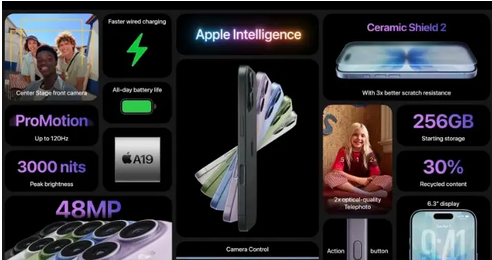
Apple has finally given the standard version users the 120Hz high refresh rate that has been suppressed for five years. Five years, iPhone users have been tormented by 60Hz for five years, and now they have finally turned the tide.
What’s even more impressive is the storage capacity, which skyrocketed from 128GB to 256GB. This was not a common occurrence for Apple in the past, and coupled with a 6.3-inch screen and a peak brightness of 3000nits, the hardware configuration was fully equipped.
The battery life performance is truly amazing, with a video playback time that is 8 hours longer than the iPhone 16, and even longer than the 16 Pro. This level of improvement is unprecedented in the history of the iPhone.
The fast charging power has also jumped from 20W to 40W. Although it is still conservative compared to the Android camp, considering Apple’s consistent style, this is already a big breakthrough.
The A19 chip has further improved overall performance, with a 20% increase in GPU compared to the A18, significantly enhancing daily use and gaming experience.
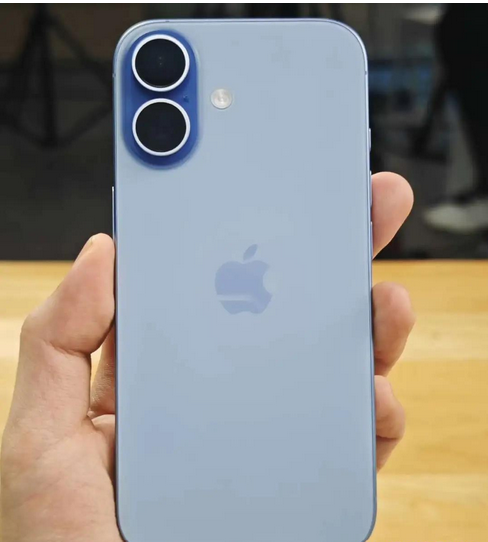
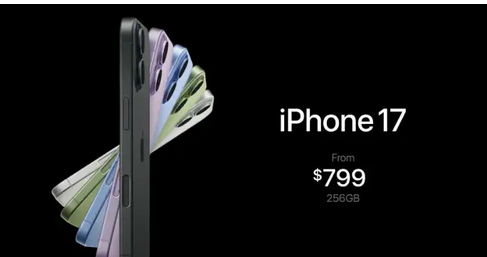
In terms of appearance, the iPhone 17 is the only phone this year to maintain its traditional design, still featuring the classic traffic light camera layout. There are many color options to choose from, including lavender purple, turquoise, classic black and white, and sage green, which can generally meet the preferences of various age groups.
The configuration of the camera has not been reduced, with a 48 megapixel main camera paired with a 48 megapixel ultra wide angle, and the front camera upgraded to 18 megapixels. The shooting effect should be satisfactory.
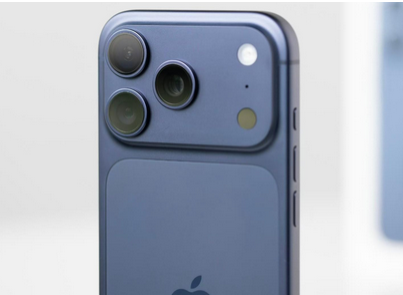
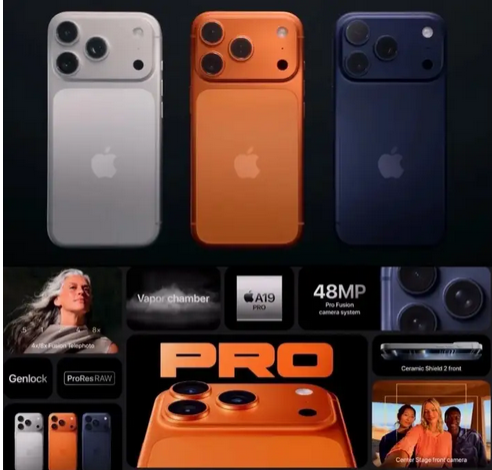
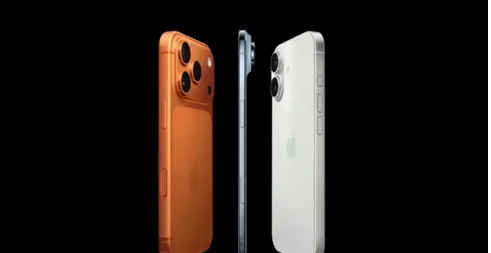
The appearance is the most intuitive change, with the rear camera changing from a square module to a horizontal matrix design. The acceptance rate among netizens is clearly not high.
In order to accommodate the new camera system, the thickness of the body has increased from 8.25mm to 8.75mm, and the weight has also increased accordingly. The heaviness in the hand will definitely be more noticeable than before. On the material level, Apple no longer uses titanium metal, but instead uses an aluminum metal integrated frame with double-sided super ceramic crystal panels. The official claim is that this will make it more sturdy and durable, but the meaning of cost control is also quite obvious.
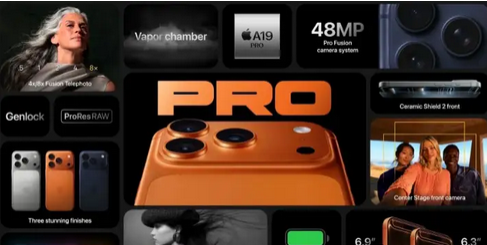
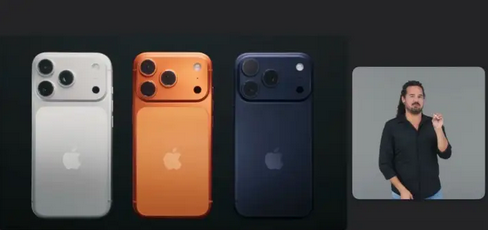
In terms of color matching, Xingyu Orange has been added. This color is very strange. Many people roast on the Internet. What’s even more surprising is that Apple has removed the safest black option and only kept the silver, orange, and deep blue options, which is indeed a somewhat risky decision.
This year’s hardware upgrade has made significant adjustments to the telephoto lens, increasing the pixel count from 12 million to 48 million. Although the optical zoom factor has been reduced from 5x to 4x, the addition of support for 8x lossless zoom is expected to significantly enhance night photography performance.
All three lenses support 24 million pixel direct output, which is definitely good news for users who like post-processing. The video shooting function has also been improved, supporting Dolby Vision HDR
What surprised me was the upgrade of the front camera. 18 million pixel square sensor, supporting simultaneous recording of front and rear, landscape and portrait shooting, automatic centering of characters, and other functions. Apple actually specifically talked about selfies at the press conference, which seems to have realized the changing needs of young users.
The A19Pro chip, paired with a new VC hot plate, provides 40% higher sustained performance when playing games compared to the iPhone 16 Pro. If this data is true, perhaps the shortcomings of iPhone in terms of gaming experience can be compensated for.
Regarding battery life and charging, if the battery capacity is larger and paired with 40W fast charging, the daily experience will be much better. Although the charging power is still relatively conservative compared to the Android flagship, considering Apple’s old tradition, this is already a great improvement.
The screen brightness can reach 3000 nits, and ProMax has also launched a new 2TB storage version.
The most controversial product this year is undoubtedly the iPhone Air, with a thickness of 5.6mm and a weight of 165g. Judging solely from the data, it is indeed quite surprising. The titanium metal frame paired with double-sided super ceramic crystal panel should have a very good texture. The circular runway style camera design looks more pleasing to the eye compared to the horizontal bar style of the Pro series.
The color scheme includes deep space black, cloud white, light gold, and sky blue, covering a wide range.
But battery life is indeed a big issue, with a battery capacity of just over 3000mAh. Apple claims it can last for a day, but I don’t quite believe it. There is already a contradiction between thinness and battery life. Whether this balance point can satisfy users needs to be tested in practice.